01
Artworks02
artists03
charity04
buy & sell05
about

All Artworks
(3)
About “Karl Fritsch”
Early ages
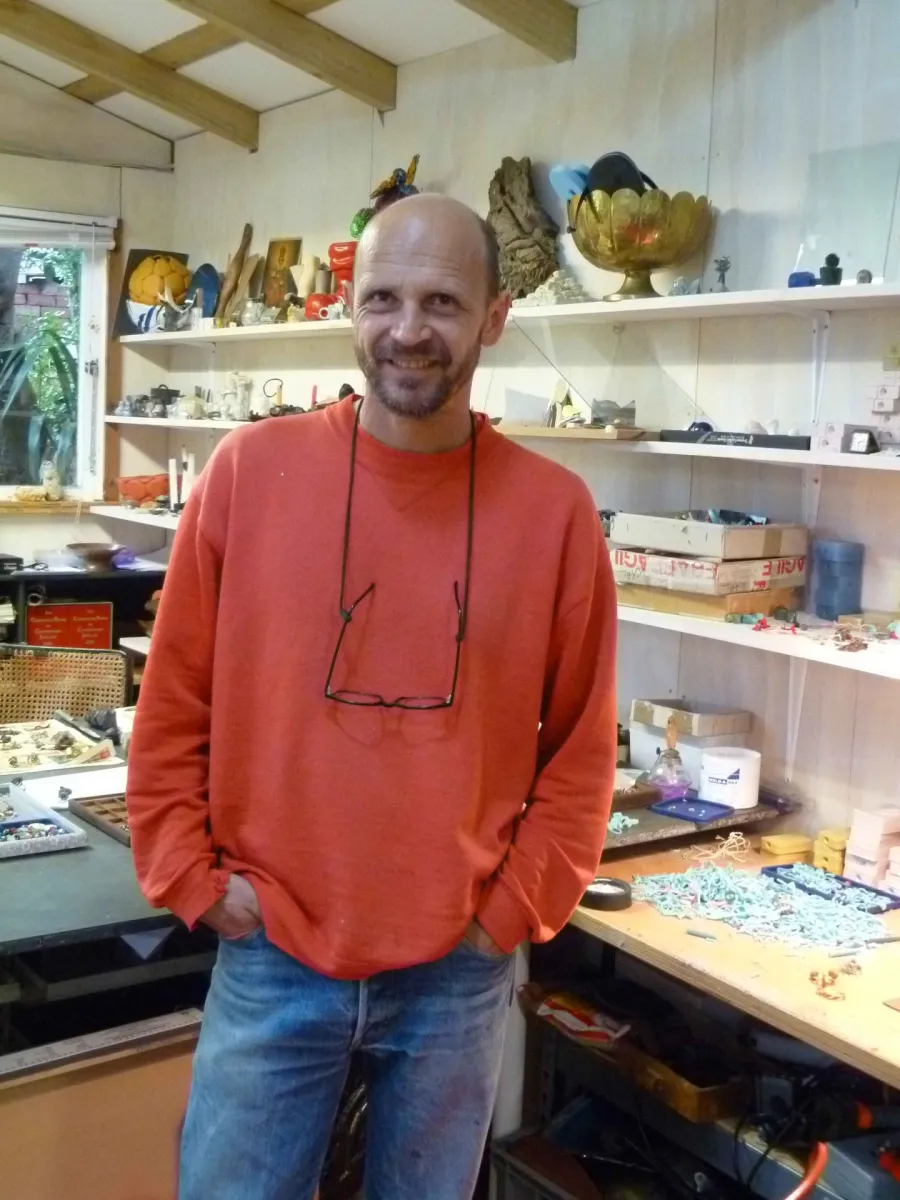
Fritsch was born in 1963 in Sonthofen, Germany. He originally intended to study woodcarving but missed the application deadline, and his mother encouraged him to apply to a jewellery school. Fritsch trained as a goldsmith at the Goldschmiedeschule Pforzheim and worked for a jeweller before attending the Akademie der Bildenden Künste, München between 1987 and 1994, studying under Hermann Junger and Otto Kunzli
Early ages
Fritsch was born in 1963 in Sonthofen, Germany. He originally intended to study woodcarving but missed the application deadline, and his mother encouraged him to apply to a jewellery school. Fritsch trained as a goldsmith at the Goldschmiedeschule Pforzheim and worked for a jeweller before attending the Akademie der Bildenden Künste, München between 1987 and 1994, studying under Hermann Junger and Otto Kunzli
Style
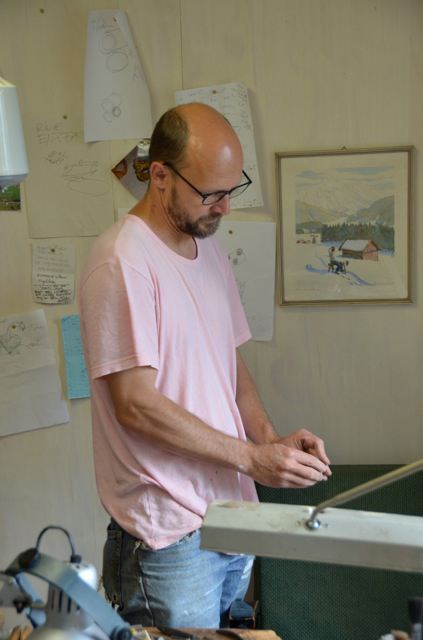
In 1994 Fritsch established a jewellery workshop in Munich. In 2006 he received the Françoise van den Bosch Award, given every 2 years to 'an international jewellery and object maker who is recognised for his/ her oeuvre, influence and contribution to the field'. In 2009 Fritsch moved to New Zealand with his partner, New Zealand contemporary jeweller Lisa Walker.
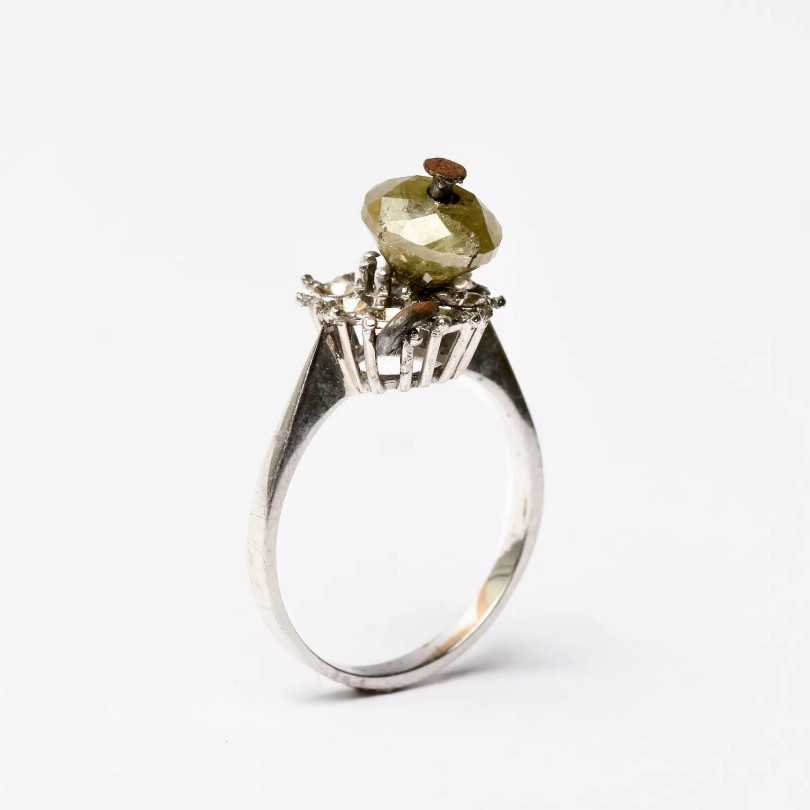
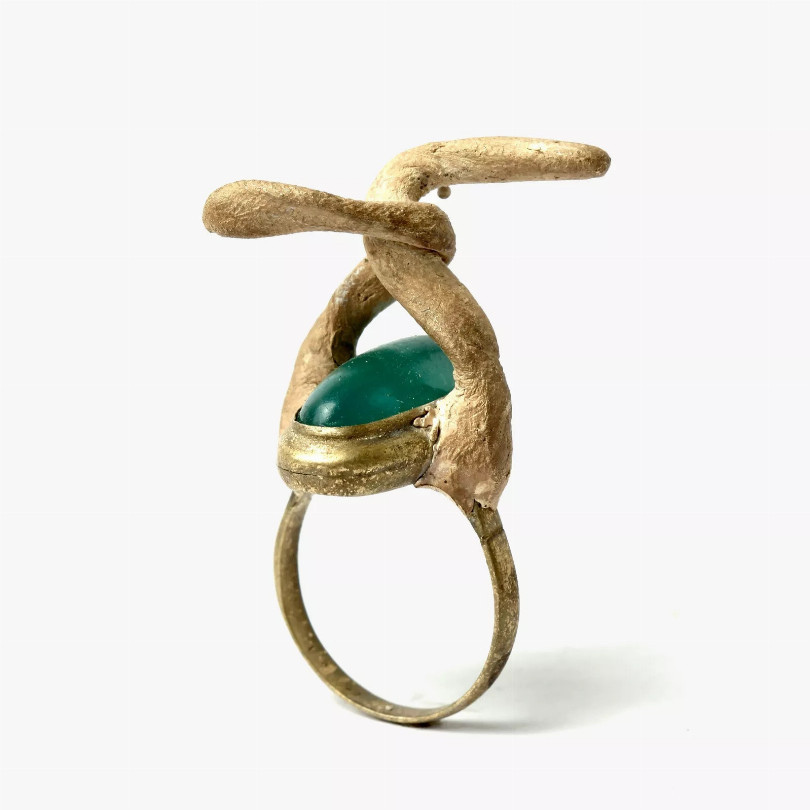
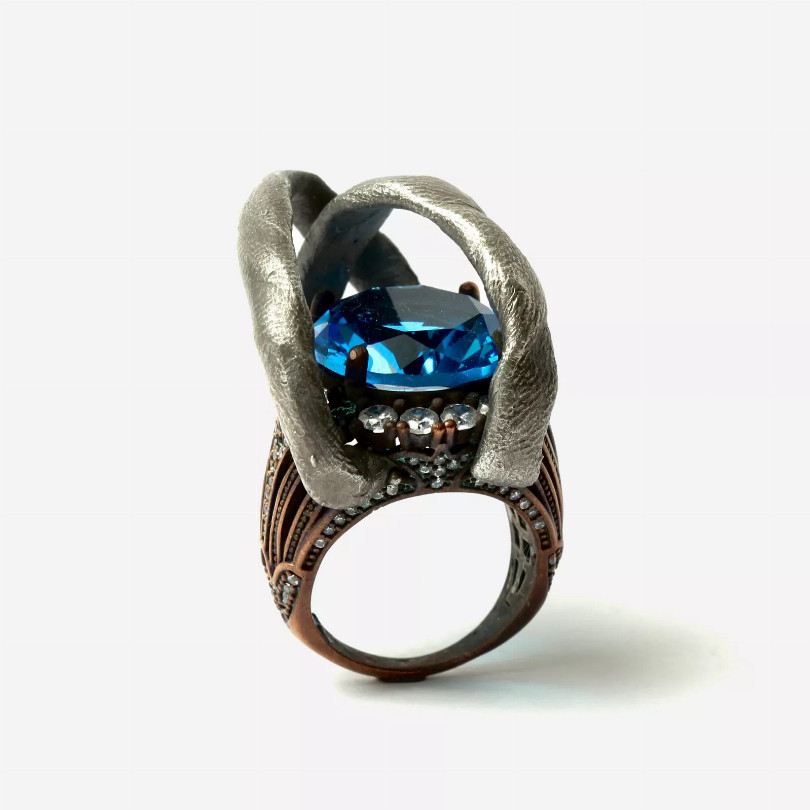
Fritsch primarily focuses on making rings, although he occasionally makes other pieces of jewellery and objects. His work is characterised by rough finishes, visible fingerprints, the use of oxidised silver,...
Recognition
Fritsch has taught at art schools around the world. He also works collaboratively with a range of artists, including Feierabend (2009, Kate MacGarry, London) and Gesamtkunsthandwerk (2011, Govett-Brewster Art Gallery) with artist Francis Upritchard and furniture designer Martino Gamper, and several projects with photographer Gavin Hipkins.
Fritsch's work is held in many international museum collections, including the Stedelijk Museum Amsterdam, Neue Pinakothek Munich, the Metropolitan Museum in New York, the Museum of Arts and Design New York and the Museum of New Zealand Te Papa Tongarewa.